

The Power of Psychic Readings in Election Campaigns: Fact or Fiction?
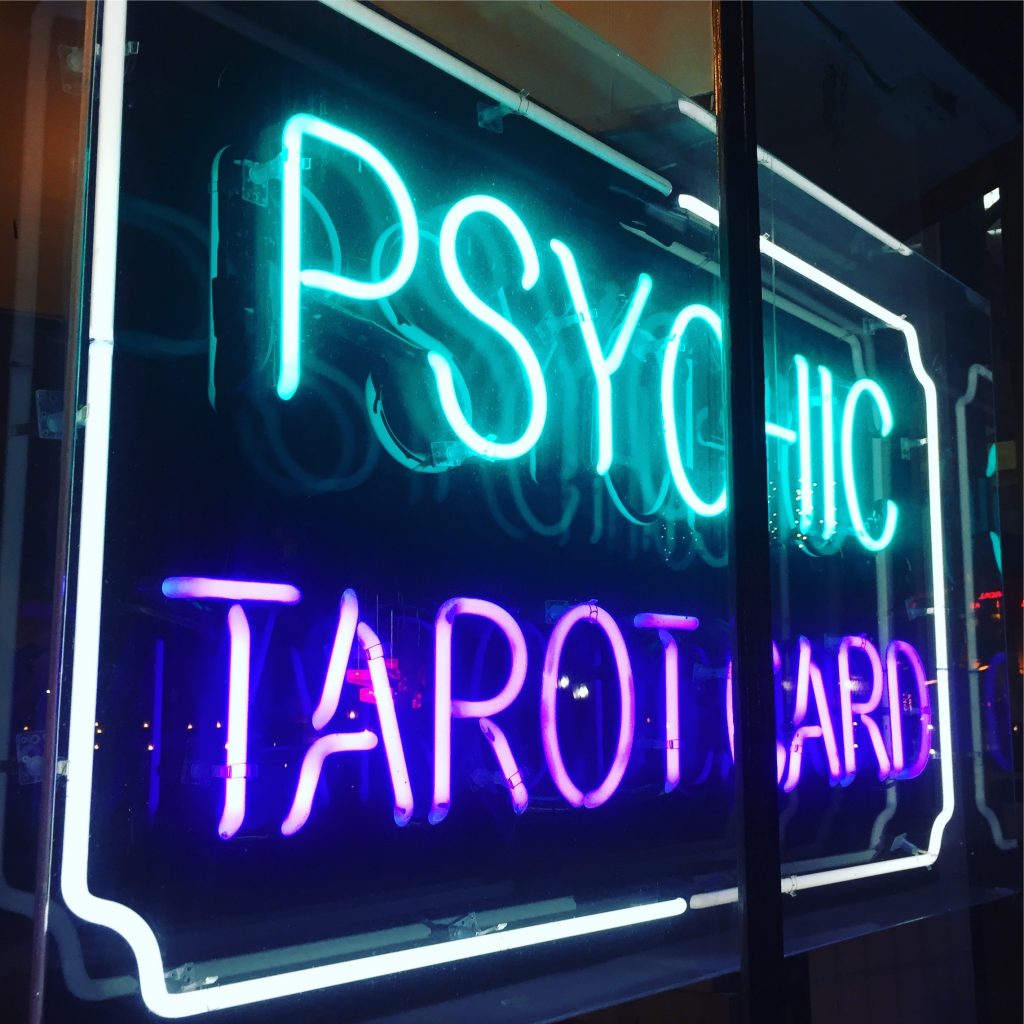
In the world of politics, gaining an edge can often make all the difference in a fiercely competitive election. While traditional campaign strategies have long been the norm, there’s a rising trend that has piqued the curiosity of many: the use of psychic readings to gain insights into the minds of voters and ultimately secure victory. But does this mystical approach hold any real potential, or is it just an intriguing but ultimately baseless tactic? In this blog post, we’ll delve into the realm of psychic readings in election campaigns, exploring both their allure and their practicality.
The Allure of Psychic Readings
Psychic readings, with their air of mystery and claims of supernatural insight, have an undeniable allure. The idea of tapping into unseen forces to gain an advantage in any endeavor, including politics, holds a certain fascination. It’s not difficult to understand why some politicians might be tempted to explore this avenue, especially when faced with the challenge of understanding the thoughts and desires of a diverse and complex electorate.
The Claims
Supporters of using psychic readings in election campaigns assert that skilled psychics possess an uncanny ability to tap into the collective consciousness and predict voter sentiments. Proponents argue that by harnessing this perceived supernatural insight, politicians can tailor their messaging and strategies to align with the desires of the electorate, thereby increasing their chances of winning. From predicting key issues to anticipating shifts in public opinion, psychic readings supposedly provide a unique advantage that traditional polling and analysis might miss.
The Skepticism
However, it’s important to approach these claims with a healthy dose of skepticism. Critics argue that psychic readings lack empirical evidence to support their effectiveness. The nature of psychic abilities makes them difficult to quantify, leading to questions about their reliability and consistency. In an age of data-driven campaigning, relying solely on psychic insights might be seen as a whimsical gamble rather than a strategic move.
Practicality and Ethics
Beyond skepticism, there are practical and ethical considerations surrounding the use of psychic readings in election campaigns. From a practical standpoint, basing crucial campaign decisions on information that can’t be verified or substantiated could backfire spectacularly. Voters might be wary of candidates who appear to be relying on unproven methods rather than sound policies and experience.
From an ethical perspective, employing psychic readings could be perceived as manipulative or insincere. Voters expect politicians to engage with them honestly and transparently. Relying on supernatural insights might raise questions about a candidate’s integrity and commitment to addressing real issues.
Balancing Tradition and Innovation
While the use of psychic readings in election campaigns might not yet be widely accepted, it’s important to acknowledge the ever-evolving nature of political strategies. In a world where technology constantly transforms the way we communicate and gather information, it’s not inconceivable that unconventional approaches could gain traction. However, any new tactic should be thoroughly vetted, tested, and justified.
Conclusion
The allure of psychic readings in election campaigns is undeniable. The idea of gaining an edge through supernatural insight is a tantalizing prospect, particularly in the cutthroat world of politics. However, the lack of concrete evidence and the potential ethical concerns make it a questionable strategy. In an era where data-driven decision-making and transparency are increasingly valued, politicians must carefully consider the risks and benefits of incorporating psychic readings into their campaign strategies. While innovation is essential, the foundation of any campaign should ultimately rest on solid policies, genuine engagement with voters, and a commitment to addressing the issues that truly matter.